
What marketing funnel is?
A marketing funnel is a strategic model that maps out the journey a potential customer takes, from becoming aware of your brand to making a purchase and beyond. It divides the process into stages—awareness, consideration, decision, and action—to ensure businesses address customer needs at each step. The funnel helps companies understand customer behaviors, optimize touchpoints, and improve conversions. By aligning strategies with this framework, businesses can effectively guide prospects and create lasting relationships, ultimately driving sustainable growth and profitability.

The purpose of an SEO audit and analysis for big companies is to thoroughly analyze both on-site and off-site factors to uncover issues hurting SEO performance
Why marketing funnels
Marketing funnels are essential for transforming potential customers into loyal advocates.
They provide a structured path, guiding users through awareness, consideration, decision, and action stages.
By segmenting audiences, marketing funnels help target the right message to the right person at the right time. They improve lead nurturing, streamline conversions, and enhance ROI by pinpointing weak spots in the customer journey.
Are you implementing Franchise SEO best practices to improve your search engine visibility?
Key benefits include better customer insights, scalability, and data-driven strategies, ensuring businesses stay competitive and achieve sustainable growth in the digital landscape.

Excellent User Experience
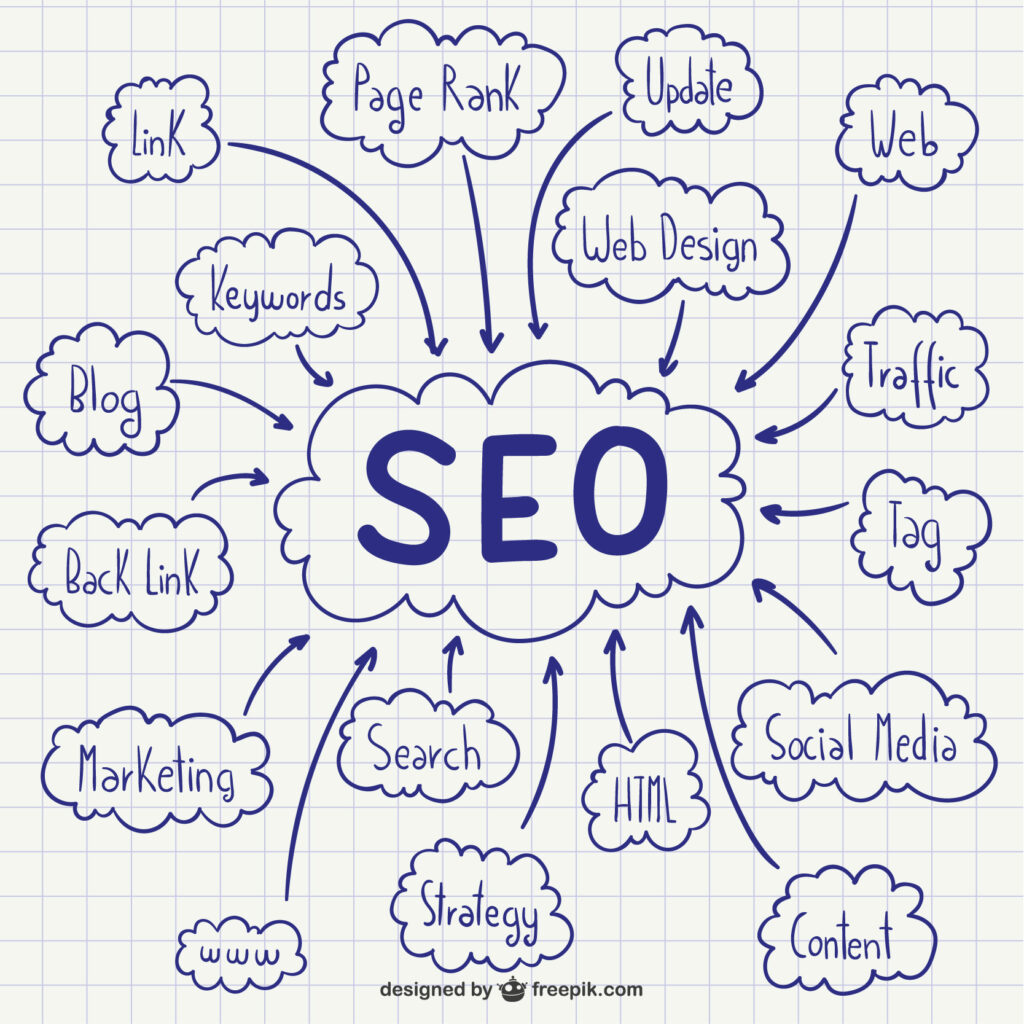
SEO for Business Intelligence

Excellent Brand Visibility

Wonderful Conversion Rates

Competitor Analysis for Brands
Cost Effective Techniques
The Digital We, a Franchise marketing Agency.
Awareness Stage: Capturing Interest
At the top of the funnel, the goal is visibility. Use SEO, social media campaigns, and content marketing to attract potential customers. Eye-catching ads and engaging blog posts work best to spark curiosity. Ensure your brand resonates with solutions customers are seeking.
Consideration Stage: Building Relationships
Here, nurture your audience with value-driven content. Email marketing, webinars, and case studies show how your product solves their problems. This phase builds trust, ensuring customers think of you when making decisions.
Decision Stage: Sealing the Deal
Guide prospects towards conversions with compelling calls-to-action, exclusive offers, and transparent product information. Simplify the purchase process to eliminate hesitation, and provide testimonials or reviews to reinforce credibility.
Action Stage: Driving Conversions
This is where leads become paying customers. Deliver a seamless checkout process, and follow up with personalized thank-you messages. Incentivize repeat purchases through loyalty programs or discounts.
Retention Stage: Keeping Engaged
Keep existing customers happy by offering excellent after-sales service, regular updates, and exclusive perks. A loyal customer base can lead to powerful word-of-mouth marketing.
Advocacy Stage: Transforming Customers
Encourage satisfied customers to share their experiences through reviews and referrals. Implement reward systems for advocates and showcase their stories in your marketing campaigns to build authenticity and trust.